Karankawa Protests in Austin and Houston on January 22 – Protect the Gulf Coast

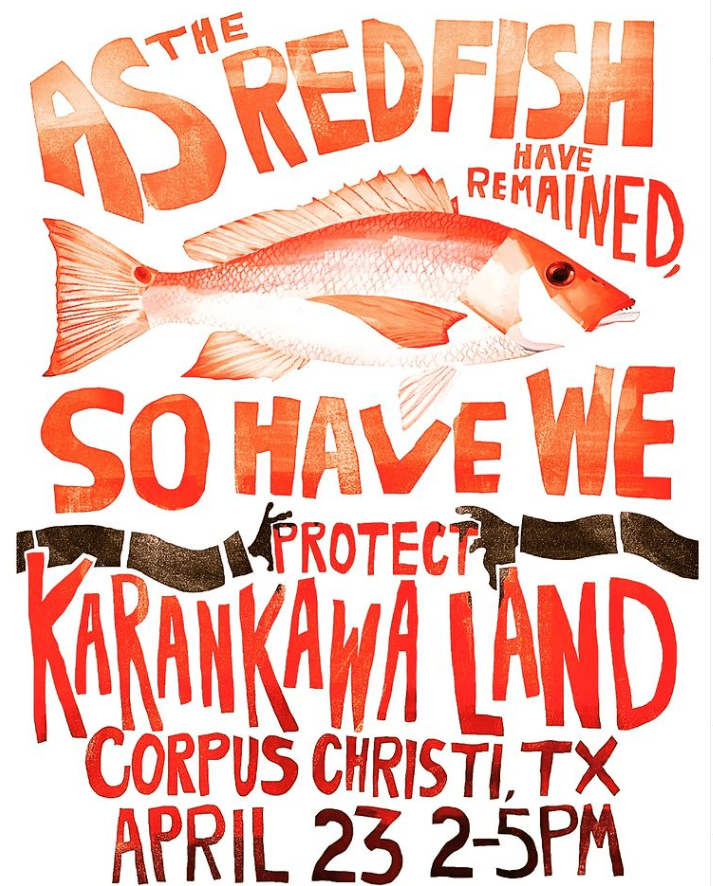
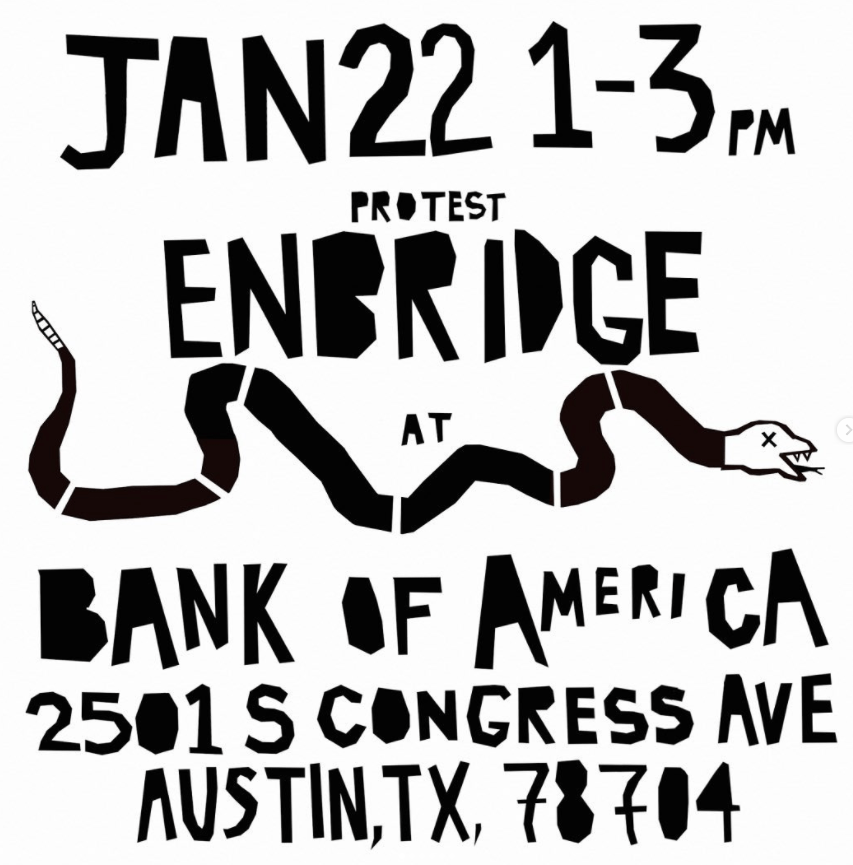
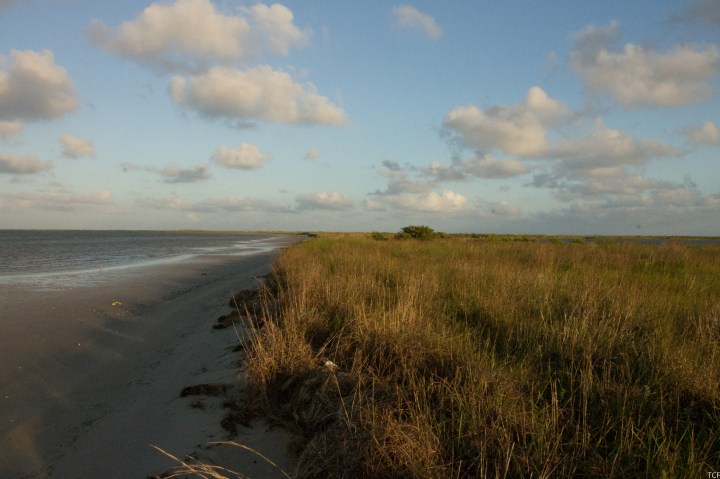
ENBRIDGE, a company that deals in petrochemicals, is building a pier and oil export terminal over the eastern portion of a Karankawa village site off Corpus Christi Bay in Ingleside, Texas. The pier will destroy Karankawa artifacts and the environmentally rich marshlands. Another recent plan is to build a seawall pipeline that will transport tar sands from Houston to Corpus Christi pier for export! We must continue to mobilize and bring awareness! We stand in solidarity with all of Turtle Island and will help stop ENBRIDGE here on the Texas Gulf Coast! ENBRIDGE is not welcomed in so called Texas!

How to Help: Attend the Protests Against Enbridge

Austin:

Houston:

How to Help: Share Graphics

How to Help: Follow or Consider Donating

Indigenous Peoples of the Coastal Bend

Sign up for updates

Follow on Facebook

Follow on Instagram

Donate to help with legal pursuits and to our organizers!

Cash App: $IndigneousPeople361

-OR-

PayPal: indigenouspeoplecoastalBend@gmail.com

Karankawa Tribe of Texas

Facebook Group Page

Instagram Updates

Donate to Actions:

Venmo: @Chiara-Beaumont-1

New Frequently Asked Questions Page

New Frequently Asked Questions Page

Our new Frequently Asked Questions page has reached its first stage of completion! It dispels common misconceptions about the Karankawa peoples and shows visitors that the Karankawas are still active today. Some of the corrected myths include the coastal peoplesโ€™ โ€œgiantโ€ height and their supposed Caribbean origins. Each answer is accompanied by footnotes with primary sources that can be directly viewed.

Over the next few months, new topics will be added to the FAQ page. Some of these subjects include clan structure, hunting practices, musical instruments, smoke-signaling, and tattoos.

The Karankawa Archive will also be receiving an update in January. This time, secondary sources related to the Karankawas will be added in their entirety.

If you have any questions that you would like addressed, or if you have any unique documents, pictures, or stories related to the Karankawa peoples, feel free to reach out.

Karankawa Archive Fully Functional

Karankawa Archive Fully Functional

The Karankawa Archive is fully functional! There are over 2,500 unique primary sources ranging from 1528 to 1967 that in some way involve the Karankawa peoples.

Nearly every document is saved as a searchable PDF. If looking to do heavy-duty research with this source base, I highly recommend downloading Adobe Acrobat DC (free but make sure to remove McAfee add-ons) and using the โ€œadvanced searchโ€ function to browse through multiple PDFs. If searching by keyword, beware that the Anglo-Americans, the Spaniards, and the French all refer to the Karankawas in different ways. I have made a list of these โ€œKarankawaโ€ variations as a guide.

In the coming weeks, I intend to upload secondary sources that have referenced the Karankawas. I also will be creating tags such as โ€œtattoos,โ€ โ€œfood,โ€ and โ€œshelter,โ€ to help users unfamiliar with archival research.

Also in the pipeline, is an updated Frequently Asked Questions page that will be completed by the end of 2021.

If you have any suggestions on how to improve the archive or sources to contribute yourself, please reach out.

Karankawa Kadla’s Fight Against MODA Midstream Covered by the Texas Tribune

Karankawa Kadla’s Fight Against MODA Midstream Covered by the Texas Tribune

Erin Douglas of the Texas Tribune, wrote a phenomenal article on the Karankawa Kadla’s reclamation of their history and the importance of stopping the proposed oil export terminal at Ingleside on the Bay. For more on stopping MODA visit the Indigenous Peoples of the Coastal Bend’s website or Ingleside on the Bay Coastal Watch Association’s website.

Photo by Chris Stokes for The Texas Tribune

Alex Perez, Karankawa Kadla Member, Publishes Book

Alex Perez, Karankawa Kadla Member, Publishes Book

Karankawa Kadla – Mixed Tongue -: Medicine for the Land & our Peoples is a memoir and a record of the Native languages spoken on the Texas Gulf Coast. In the author’s words, “Academic Texas history falls short from the Native American perspective. For historic Native people caught up in a rapidly crumbling world, priorities shifted to self-preservation rather than the keeping of stories, belief systems, tribal affiliations, and language.

The Native language records of the Texas missions and other sources in the 1800s are sparse, but had it not been for them, even the few surviving words of the Karankawa, Chitimacha, Atakapa, Coahuilteco, Cotoname, Comecrudo and other groups in this volume would have been lost forever.

The first part of this fascinating book is a short but compelling memoir which chronicles Alexander Joseph Perez’s journey as he discovers and uncovers his ancestors’ languages, unspoken since the 1880s, then undertakes the monumental task of resurrecting and collecting them into this volume.”

Half Million Dollar Statues of a Conquistador, a Missionary, a Pirate, and a Karankawa

Half Million Dollar Statues of a Conquistador, a Missionary, a Pirate, and a Karankawa

Join the Indigenous Peoples of the Coastal Bend and the Karankawa Kadla tomorrow on Facebook live as they discuss Rockport artist Steve Russell’s โ€œCultural Interface.โ€ According to the Rockport Cultural Arts District, the statues “symbolize the impact of Europeans on the area.” According to the Native peoples of the region, like Love Sanchez, “the priest represents assimilation, the conquistador represents slaughter, and the pirate represents trafficking and rape.”

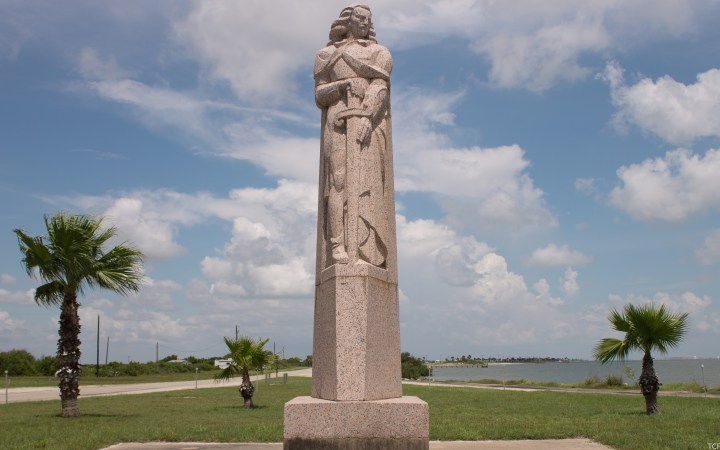
Pictured is another controversial statue–this one located in Indianola and featuring the intrepid and intractable Sieur de La Salle.

Karankawas Sue U.S. Army Corps of Engineers

Karankawas Sue U.S. Army Corps of Engineers

๐—ก๐—ฎ๐˜๐—ถ๐˜ƒ๐—ฒ ๐—”๐—บ๐—ฒ๐—ฟ๐—ถ๐—ฐ๐—ฎ๐—ป๐˜€ ๐—ฎ๐—ป๐—ฑ ๐—Ÿ๐—ผ๐—ฐ๐—ฎ๐—น ๐—ฅ๐—ฒ๐˜€๐—ถ๐—ฑ๐—ฒ๐—ป๐˜๐˜€ ๐—ฆ๐˜‚๐—ฒ ๐—จ.๐—ฆ. ๐—”๐—ฟ๐—บ๐˜† ๐—–๐—ผ๐—ฟ๐—ฝ๐˜€ ๐—ผ๐—ณ ๐—˜๐—ป๐—ด๐—ถ๐—ป๐—ฒ๐—ฒ๐—ฟ๐˜€ ๐—ผ๐˜ƒ๐—ฒ๐—ฟ ๐—ข๐—ถ๐—น ๐—˜๐˜…๐—ฝ๐—ผ๐—ฟ๐˜ ๐—ง๐—ฒ๐—ฟ๐—บ๐—ถ๐—ป๐—ฎ๐—น ๐—˜๐˜…๐—ฝ๐—ฎ๐—ป๐˜€๐—ถ๐—ผ๐—ป ๐—”๐—ฝ๐—ฝ๐—ฟ๐—ผ๐˜ƒ๐—ฎ๐—น

Love Sanchez: 361-558-2945, IndigenousPeopleCoastalBend@gmail.com

Patrick Nye: 361-658-1089, patrick@nyexp.us

Efforts by MODA Ingleside Oil Terminal, LLC (MODA) (the countryโ€™s leading oil export terminal) to double its capacity will destroy Karankawa cultural site, seagrasses, and wetlands.

Corpus Christi, Texas – The Indigenous Peoples of the Coastal Bend, Karankawa Kadla Tribe of the Texas Gulf Coast, and Ingleside on the Bay Coastal Watch Association have filed a lawsuit in federal court against the U.S. Army Corps of Engineers for issuing a permit for MODA to expand its operations into an undeveloped area sacred to local Indigenous people, without addressing environmental and community concerns as required under the National Environmental Policy Act and the Clean Water Act.

Continue reading “Karankawas Sue U.S. Army Corps of Engineers”

The Karankawa-Spanish War from 1778 to 1789: Attempted Genocide and Karankawa Power

The Karankawa-Spanish War from 1778 to 1789: Attempted Genocide and Karankawa Power

Southwestern Historical Quarterlyย has published my latest article on the Karankawa-Spanish War. The following is an abstract:ย 

This article is a narrative history of the little-known Karankawa-Spanish War. It has two primary purposes. The first is to uncover and name the actions attempted by the Spaniards against the Karankawas as genocidal by documenting three major attempts of annihilation led by Athanase de Mรฉziรจres, Domingo Cabello y Robles, and Nicholas de La Mathe. The second purpose is to show how this attempted annihilation acted as a mechanism for variousย Karankawa tribes to consolidate into a more unified body. In the process of achieving these goals, this piece also demonstrates how Native Americans familiar with the Spaniards’ customs and language acquired advantages for themselves and their tribe and how shipwrecks served as a means of bypassing typical webs of trade for the Karankawas.

For a full version, visit the Texas State Historical Association.

If you are unable to access the article through TSHA please reach out to me personally.

Continue reading “The Karankawa-Spanish War from 1778 to 1789: Attempted Genocide and Karankawa Power”

La Salle’s Doomed 17th Century French Colony on the Texas Gulf Coast

La Salle’s Doomed 17th Century French Colony on the Texas Gulf Coast

In 1684, the famed explorer Renรฉ-Robert Cavelier, Sieur de La Salle embarked from France to establish a military settlement on the lower reaches of the Mississippi River.[1] Roughly two hundred and eighty souls on four vessels accompanied La Salleโ€”only a handful would survive the expedition.

From a present-day perspective, the voyage began poorly. Illness struck fifty men with two dying. Spanish corsairs captured the colonizersโ€™ supply ketch, limiting the expeditionโ€™s supplies. And La Salle and the fleet captain continually clashed, sowing discord among the sailors and the colonizers. Despite these hardships, officers on the ship exclaimed that โ€œit had been a long time since they had such a fortuitous crossing,โ€ a testament to the usual hazards of a trans-Atlantic voyage in the seventeenth-century.[2]

After two months of overseas travel, the colonists temporarily landed at the port town of Petit Goรขve in Saint Domingue (Haiti) to resupply. While at Petit Goรขve, locals persuaded six of La Salleโ€™s colonists to desert the expedition by listing dangers awaiting them on the voyage to the mystical Mississippi: keel-crushing reefs, relentless Spanish fleets, blinding winds, mountains of fog, and most fearfully, โ€œmiserable savages who live on roots.โ€[3] Continue reading “La Salle’s Doomed 17th Century French Colony on the Texas Gulf Coast”